Car Detailing & Paint Correction
Car Detailing and Paint Correction
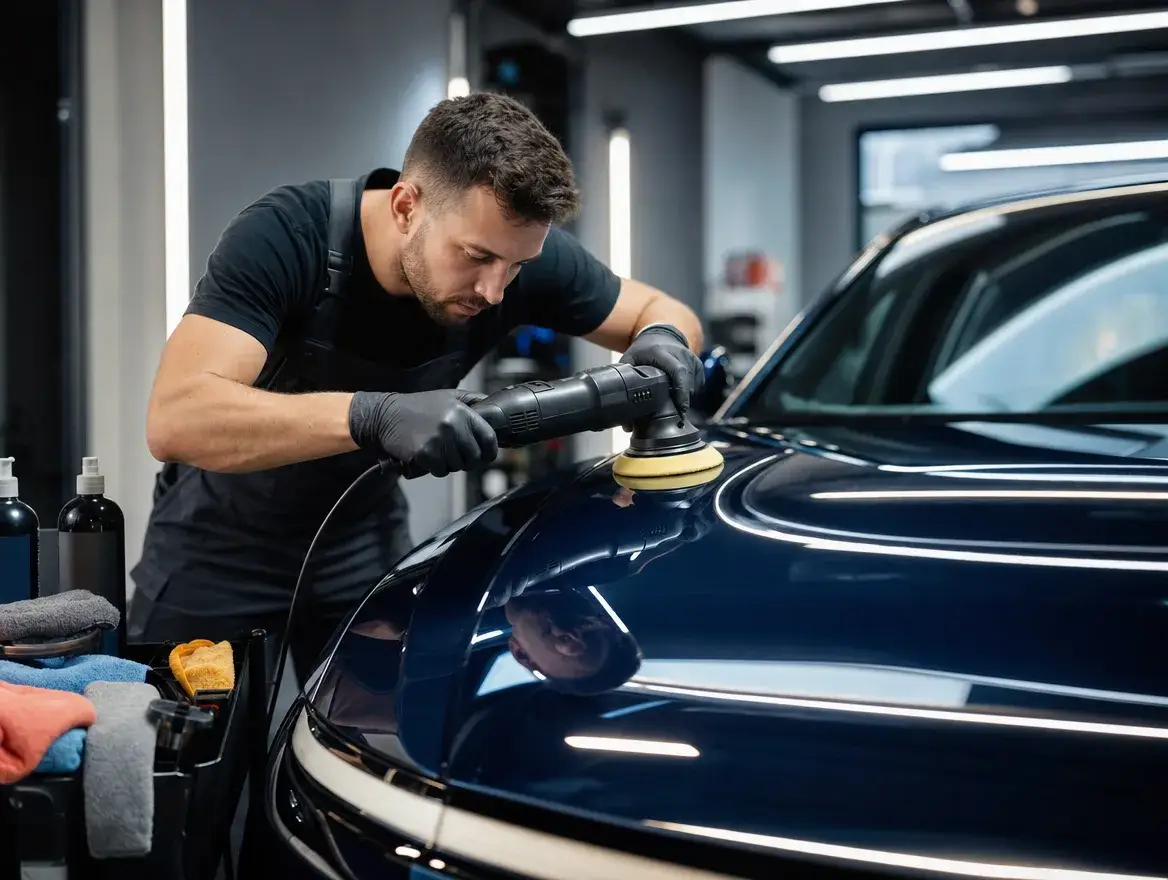
Decontamination, machine paint correction and interior detailing in Dandenong, with paint thickness measured panel by panel before a pad touches the car.
Paint depth measured before polishing, so clear coat is never over-cut.
The short version
Why paint looks dull
Most cars that look tired are not faded. They are covered in thousands of shallow scratches that scatter light instead of reflecting it, and nearly all of them came from washing: an automatic carwash brush, a single bucket with grit in the bottom, a dry microfibre dragged across dust. Under one point of light those swirls show up as a halo, which is the honest test.
Correction removes a few microns of clear coat to level that surface, and a car only ever has so many microns to give. So we measure first, panel by panel, and decide how much we are prepared to take. A detailer working without a paint depth gauge is polishing on optimism.
What makes ours different
Paint depth measured before any machine polishing, so clear coat is never cut thinner than it can afford.
3
Decontamination stages before polishing
2
Correction stages: cut then refine
1
Building for paint repair and detailing
What you get
Included with your car detailing
Decontamination before any polish
Iron remover, tar remover and a clay stage lift what washing leaves bonded to the paint, so nothing is dragged across the surface by a pad.
Paint thickness measured in microns
Every panel is gauged and the thin areas noted before a compound is chosen, so the correction stays inside what your clear coat can spare.
Test section before the full car
The mildest pad and compound that clears the defect is proven on one area first, then repeated, rather than assumed from the colour.
Solvent wipe before protection
Polishing oils are stripped so the finish you approve is the real one, and any coating bonds to paint instead of to residue.
Interior handled by material
Fabric extracted, leather cleaned and fed, headlining treated without soaking the adhesive, and a matte dash finish that does not glare.
What a detail includes
The wash comes first and it is the longest stage. Wheels and arches before paint, a pre-wash to soften traffic film, an iron remover that dissolves the embedded brake dust no wash mitt will lift, tar remover along the lower panels, then clay or a synthetic mitt to shear off whatever is still bonded to the surface. Only then is the paint clean enough to assess honestly.
Interior work is separate and just as procedural: dry vacuum first, extraction on fabric where it is warranted, a controlled amount of moisture on the headlining because saturating it can release the adhesive behind, steam and a soft brush through vents and seat rails, and a matte finish on the dash rather than a glossy dressing that throws reflections into the windscreen at dusk.
How a correction is done
We measure total film thickness in microns across every panel and note the thin areas, which are usually panel edges, the high points of a bonnet and anywhere previously repaired. Then a test section: the least aggressive pad and compound combination that actually clears the defects, refined afterwards with a finer polish to bring the gloss back. Every pass removes clear coat, so the aim is the fewest passes that get the result.
Before anything goes on top, the panel is wiped with solvent to strip the polishing oils. Filler oils hide light defects for a fortnight and then wash out, and a coating laid over them bonds to oil instead of paint. If you have asked for a ceramic-grade sealant, it goes onto bare wiped paint and needs a dry cure window before the car sees rain.
What customers get wrong about detailing
The big one is expecting polishing to remove a scratch you can catch with a fingernail. If your nail drops into it, it is through the clear coat, and levelling that far would take the clear off everything around it. Those marks get filled and refinished, which is paint work rather than detailing, and because both bays are in this building we can scope them together instead of sending you across town.
The other is treating a coating as armour. A good sealant makes washing quicker and holds gloss far longer than a wax, but it will not stop a trolley, a stone chip or a carwash brush. The single biggest thing that keeps a corrected car looking corrected is changing how it gets washed: two buckets, a grit guard in each, one clean mitt, and no automatic brush ever again.
Questions we get
Car Detailing questions, answered
Anything not covered here, ask the assistant in the corner or message (03) 9793 4820 on WhatsApp.
It removes the ones sitting inside the clear coat, which covers most swirl marks and wash marks. Anything your fingernail catches has gone through the clear and needs filling and refinishing instead. We check with a single light source and a depth gauge first, then tell you which of your marks fall into each group before you commit to anything.
A single-stage enhancement on a small car is a full day. A two-stage correction on a dark colour is two to three days, because dark paint shows every defect, panels have to be worked in sections, and the final inspection is done under more than one light source. Booking a coating on the end adds its cure time again.
It lasts far longer and makes washing quicker, and that is its real value. It will not stop stone chips, trolley damage or scratches from an automatic carwash brush, and any claim otherwise deserves suspicion. If your car lives outside under trees, the easier washing is worth more to you than the extra gloss.
Usually, once the source is found. Milk in a carpet, a blocked air-conditioning drain, a damp boot floor from a perished tail-light seal and cigarette residue in the headlining are four different jobs. Masking a smell without fixing its source buys about a fortnight. Tell us what you can smell and when it is worst, because heat and humidity change the answer.
Two buckets, one with shampoo and one to rinse the mitt, a grit guard in the bottom of each, and top panels before lower ones. Dry with a clean drying towel rather than a chamois that lives in the boot. Avoid automatic brush carwashes completely, because one pass through one puts back most of the swirls just removed.
While it is here
Combine it with another job
Everything below happens at the same address, so a second job means a second line on the same invoice, not a second trip across town.
Car Service
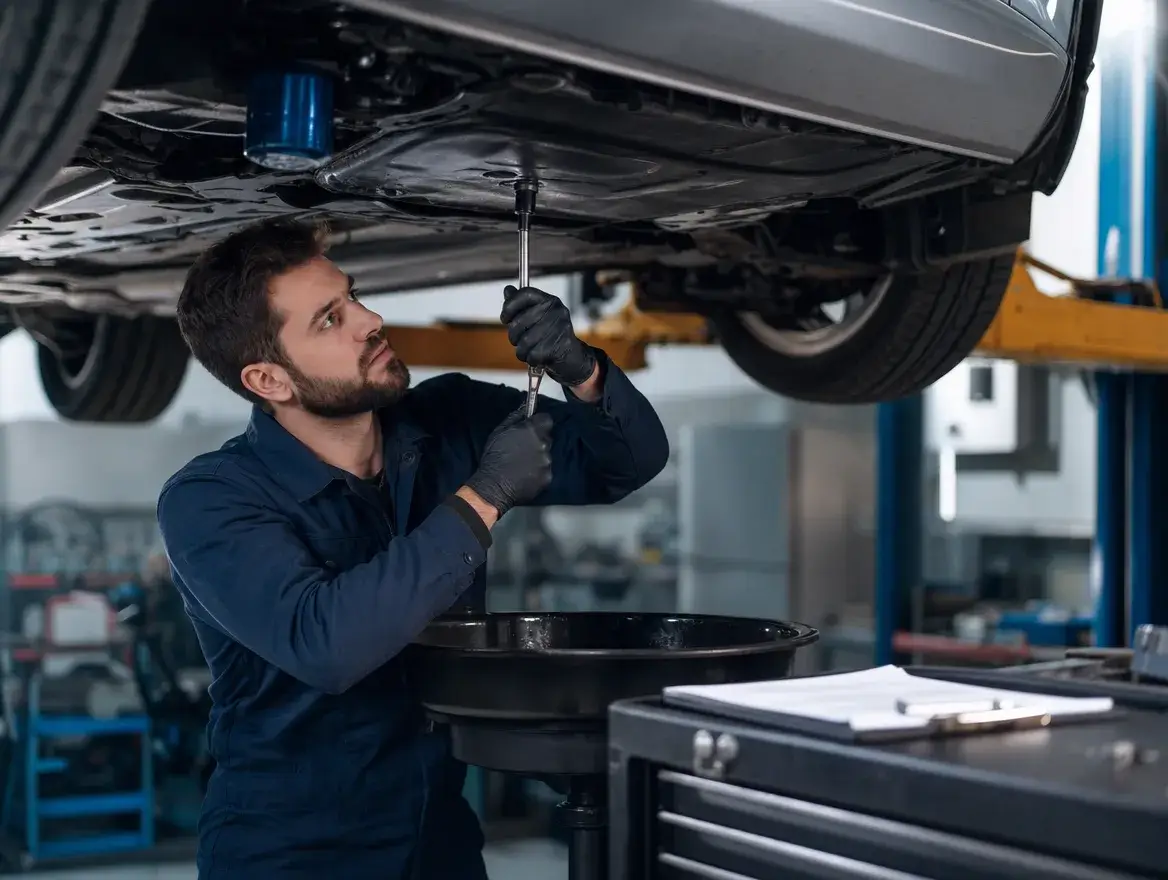
Minor, major and manufacturer log book servicing, done to the schedule that keeps a new-car warranty intact.
Log book stamped to the manufacturer schedule, so the warranty conditions are met without going back to the dealership.
Smash Repairs
Insurance and private collision repair — panel, chassis alignment and colour-matched refinishing.
DetailsTyres
New tyres fitted, balanced and aligned in one visit, with the old set disposed of for you.
DetailsWindow Tinting
Ceramic and carbon window film fitted to the Victorian light-transmission limits, cut to pattern and heat-shrunk to fit.
DetailsMechanical Repairs
Brakes, suspension, clutch, cooling, timing, electrical and diagnostics on petrol, diesel and hybrid.
DetailsReserve a detailing bay for your car
Tell us the colour and how the car is stored and we will scope the work honestly.
(03) 9793 4820Mon–Fri 7:30–17:30, Sat 8–14