Window Tinting
Window Tinting Cut to Pattern
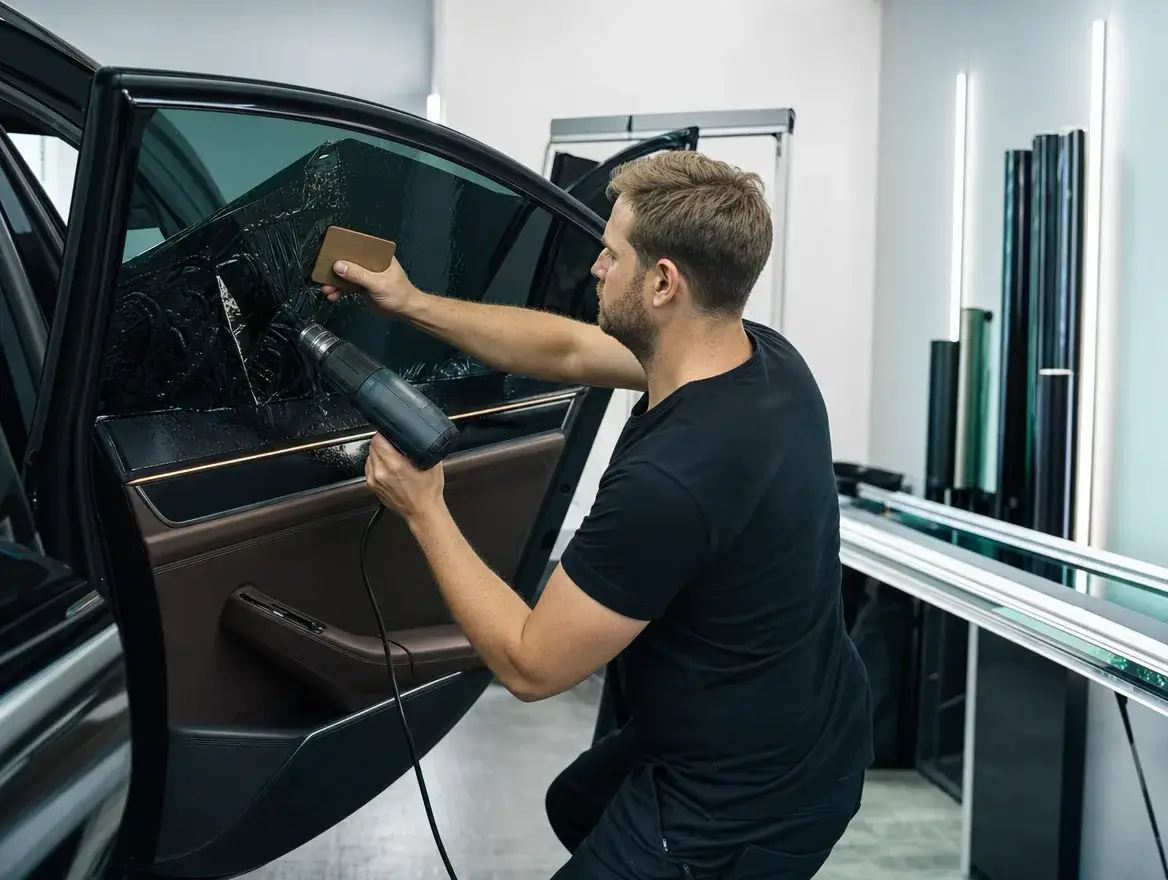
Ceramic and carbon film fitted in Dandenong, plotted from a digital vehicle pattern and metered against the Victorian light transmission limits before we start.
We meter your existing glass before choosing film, not after fitting it.
The short version
Tint is a legal specification, not a shade
In Victoria the numbers come from road law, not from a film catalogue. Front side windows must let through at least 35 per cent of visible light, the windows behind the driver at least 20 per cent, and the windscreen may only carry a narrow band across the top, above the wiper sweep. What gets measured is the glass and the film together, not the film on its own. Those figures are the general Victorian standard rather than legal advice, so we check the current requirement for your vehicle before any film is cut.
That last point catches people out. If your car left the factory with dark privacy glass in the rear, that glass can already sit near the limit before any film is added. We put a light transmission meter on each window first, then choose a film that lands where it needs to, and we will tell you when the right answer is to leave a window alone.
What makes ours different
Film cut from a digital vehicle pattern instead of hand-trimmed on the glass — no blade near your rubbers.
35%
Minimum light through front side glass (VIC)
20%
Minimum behind the driver (VIC)
0
Blades used against your door rubbers
What you get
Included with your window tinting
Glass metered before film is chosen
A light transmission meter goes on each window first, so factory privacy glass is accounted for rather than discovered after fitting.
Cut from a digital pattern
Film is plotted for your exact model, so nothing is trimmed with a blade against your rubbers, your paint or the rear demister lines.
Rear screen heat-shrunk to the curve
The film is formed to the shape of the glass before it is laid, which is what prevents creases and lifting edges months later.
Metal-free ceramic or carbon film
No metallic layer, so radio reception, keyless entry, pressure sensors and a windscreen toll tag keep working normally.
Old film stripped properly
Failed purple film is lifted with heat and the adhesive cleaned off without disturbing the demister grid, before any new film is fitted.
What the job includes
Film is plotted and cut from a digital pattern for your exact vehicle, so no blade goes near your door rubbers, your paint or the demister lines printed onto the rear glass. Hand-trimming on the glass is faster, and it is how rubbers get nicked and defroster grids get cut, which is a repair no tint job should ever create.
Each window is cleaned twice. The rear screen is heat-shrunk to the curve of the glass before it is laid, then the film goes onto the inside face with a slip solution and is squeegeed out from the centre. Around the edges of a rear screen sits a dot matrix band, deliberately rough and poor at holding adhesive, so the film is trimmed to sit inside it rather than fighting it.
Which film, and why it matters
Ceramic film rejects a large share of infrared heat with no metal in its structure, so it leaves radio reception, keyless entry, tyre pressure sensors and a windscreen toll tag alone. Metallised film is cheaper to manufacture and can interfere with all of those. Carbon film sits between the two: no metal, solid heat rejection, and a flat black appearance that does not turn purple.
Purple, bubbled tint is dyed film at the end of its life. The dye fades under ultraviolet light and the adhesive breaks down, which is why old film has to be stripped and the glass scraped and cleaned before anything new goes on. Removal from a rear screen is the slow part of that work, because the demister lines lift with the adhesive if it is rushed.
What people get wrong about tinting
The first is judging tint by how it looks on another car. The same film over factory privacy glass reads far darker than over clear glass, and a shade that is fine on a hatchback with clear rear windows can be well under the limit on a wagon with privacy glass from the factory. The meter reading is the only comparison worth making.
The second is winding the windows down too early. Film needs to cure, and during that time you may see haze or small pockets of water, which is mounting solution evaporating out through the film rather than a fault. Leave the windows up for a few days, leave the inside of the glass alone for a fortnight, and after that clean it with a non-ammonia product, because ammonia attacks film from the inside.
Questions we get
Window Tinting questions, answered
Anything not covered here, ask the assistant in the corner or message (03) 9793 4820 on WhatsApp.
Victorian road law sets a minimum light transmission rather than a maximum darkness: at least 35 per cent through the front side windows and at least 20 per cent through the windows behind the driver, measured with glass and film together. The windscreen may only carry a narrow band across the top, above the wiper sweep. We meter your glass and confirm the current requirement for your vehicle before fitting anything.
Sometimes, and the meter decides. Factory privacy glass is tinted in the glass itself and can already sit near the limit, so adding film may take it under. We measure each rear window and then either fit a lighter film than you expected, or recommend leaving that glass as it is and treating only the front sides.
It reduces how much heat comes in through the glass, and a ceramic film does that mainly by rejecting infrared rather than by being dark. A dark dyed film can look more serious and reject less heat than a lighter ceramic one. Expect a noticeable difference in a car parked in the sun off Frankston-Dandenong Road, not air conditioning.
Leave them up for three to five days, and longer through a cold week, because the film is still bonding while the mounting solution works its way out. Haze and a few water pockets in that period are normal and clear on their own. Do not clean the inside of the glass for about two weeks, and use a non-ammonia cleaner after that.
Yes, and it is a separate job from fitting because the removal is what takes the time. Failed film is lifted with heat and the adhesive residue cleaned off the glass completely, which on a rear screen has to be done gently so the demister lines survive. Once the glass is genuinely clean, new film can go on the same day where the schedule allows.
While it is here
Combine it with another job
Everything below happens at the same address, so a second job means a second line on the same invoice, not a second trip across town.
Car Service
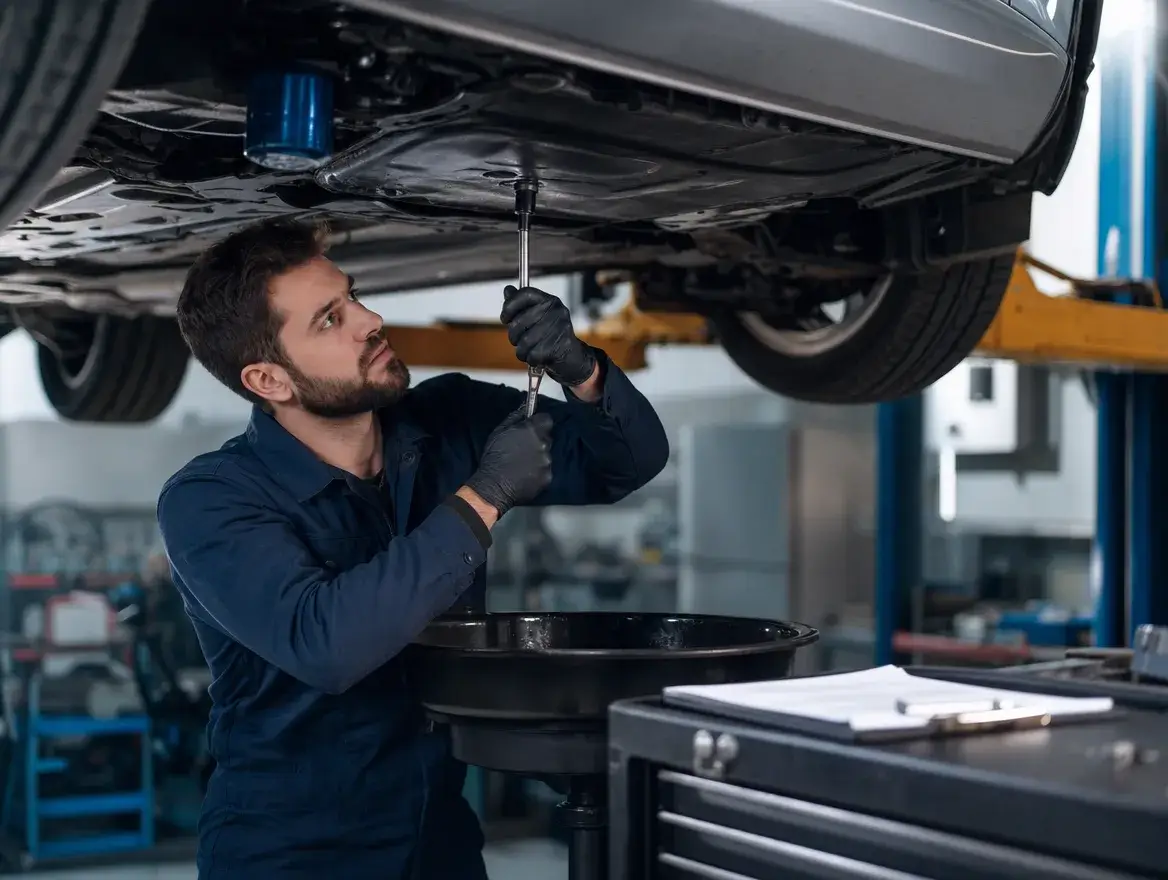
Minor, major and manufacturer log book servicing, done to the schedule that keeps a new-car warranty intact.
Log book stamped to the manufacturer schedule, so the warranty conditions are met without going back to the dealership.
Smash Repairs
Insurance and private collision repair — panel, chassis alignment and colour-matched refinishing.
DetailsTyres
New tyres fitted, balanced and aligned in one visit, with the old set disposed of for you.
DetailsCar Detailing
Interior and exterior detailing, machine paint correction and ceramic-grade protection.
DetailsMechanical Repairs
Brakes, suspension, clutch, cooling, timing, electrical and diagnostics on petrol, diesel and hybrid.
DetailsHave your tint fitted to the legal limit
Tell us what you drive and whether the rear glass is already dark from the factory.
(03) 9793 4820Mon–Fri 7:30–17:30, Sat 8–14